
Washing Instructions
Marifi R2024-10-01T00:50:11-05:00WASHING INSTRUCTIONS
To properly care for your Barong Tagalog and preserve its quality, here are some washing instructions to follow:
Check the care label on the garment for specific washing instructions.
If the Barong Tagalog is made of piña or other delicate fabrics, it should be hand-washed in cold water using a gentle detergent.
If the Barong Tagalog is made of jusi or similar fabrics, it can be machine-washed in cold water on a gentle cycle.
Use a mild detergent and avoid using bleach or fabric softeners as they can damage the fabric.
Do not wring or twist the Barong Tagalog as this can damage the delicate fibers. Instead, gently squeeze out excess water and hang the garment to air dry.
Avoid drying the Barong Tagalog in direct sunlight or using a dryer as this can cause the fabric to shrink or fade.
Iron the Barong Tagalog on a low heat setting while it is still slightly damp to prevent damaging the delicate fibers.
By following these washing instructions, you can keep your Barong Tagalog looking clean and vibrant for years to come.
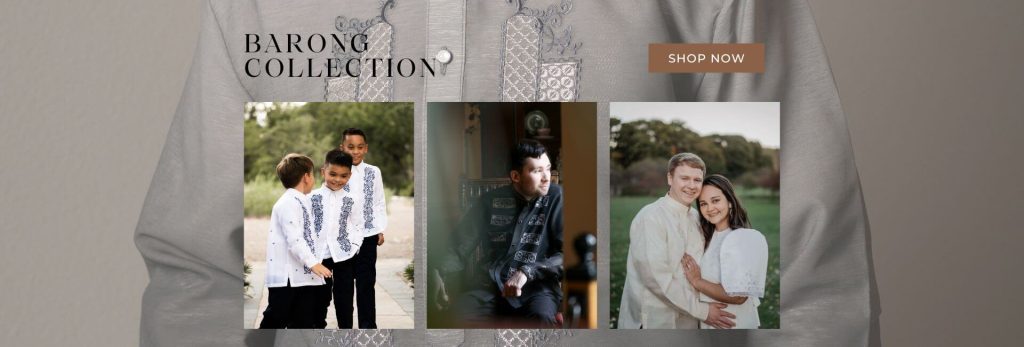
Proper care for Barong Tagalog and Filipiniana dresses, especially when made from delicate materials like piña, jusi, or abaca, is essential to maintain their quality and longevity. These garments require gentle handling due to their intricate embroidery and lightweight fabrics. Here are some washing and care instructions:
1. Handwashing (Recommended)
- Use cold water: Fill a basin with cold or lukewarm water. Hot water can damage delicate fibers like piña or jusi.
- Mild detergent: Use a mild, non-abrasive detergent specifically designed for delicate fabrics. Avoid strong detergents or bleach, which can damage the fabric and fade embroidery.
- Gentle washing: Soak the garment for a few minutes. Gently agitate by hand, focusing on any soiled areas. Avoid scrubbing, wringing, or twisting the fabric.
- Rinse thoroughly: After washing, rinse the garment thoroughly in cold water until no detergent residue remains.
2. Drying
- Air dry: Lay the Barong or dress flat on a clean, dry towel to remove excess water. Do not wring or twist the fabric, as this can cause it to lose its shape.
- Avoid direct sunlight: Hang the garment to air dry in a shaded, well-ventilated area. Direct sunlight can cause colors to fade and weaken the fabric.
- Hanging: For best results, hang the Barong or dress on a padded hanger to maintain its shape during the drying process.
3. Ironing
- Low heat: If ironing is necessary, use a low heat setting or the “silk” setting on your iron. High heat can scorch or damage delicate fibers.
- Place a cloth over the garment: To protect the fabric, place a clean, damp cloth or pressing cloth between the garment and the iron. Never apply the iron directly to the fabric or embroidery.
- Iron inside-out: For embroidered Barongs or dresses, iron the garment inside-out to avoid flattening or damaging the intricate designs.
4. Dry Cleaning (For Special Fabrics)
- For more delicate Barongs made of pure piña or jusi, dry cleaning is recommended. Make sure to use a dry cleaner who is experienced with handling delicate fabrics.
- Inform the cleaner about the fabric and embroidery so they can use the appropriate cleaning methods.
5. Storage
- Hang on padded hangers: Store your Barong or Filipiniana dress on a padded hanger to maintain its shape and avoid creases. Avoid wire hangers, which can stretch or damage the fabric.
- Use garment bags: Keep the garment in a breathable garment bag to protect it from dust and dirt. Avoid plastic covers, which can trap moisture and cause yellowing over time.
- Store in a cool, dry place: Ensure that the garment is stored in a place with consistent temperature and low humidity to avoid mold or mildew growth.
6. Spot Cleaning (For Minor Stains)
- For small stains, use a mild soap and water solution and gently blot the area with a soft cloth. Avoid rubbing, which can spread the stain or damage the delicate fabric.
By following these washing and care instructions, you can preserve the beauty and integrity of your Barong Tagalog and Filipiniana dresses for many years.
