Quality Barong Tagalog: Tradition Meets Modern Style
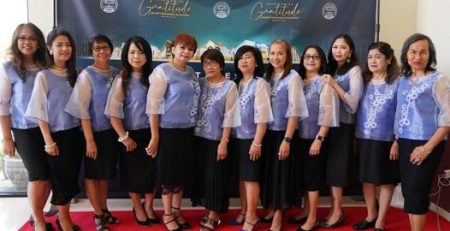
The Barong Tagalog is a quintessential piece of Filipino heritage, a symbol of national pride and cultural identity. Traditionally worn for formal occasions such as weddings, state functions, and religious ceremonies, the Barong Tagalog is more than just an item of clothing—it tells the story of the Filipino people’s history, artistry, and resilience. Today, the Barong Tagalog has evolved, blending timeless tradition with modern style, offering a perfect balance between cultural reverence and contemporary sensibility.
The Essence of the Barong Tagalog
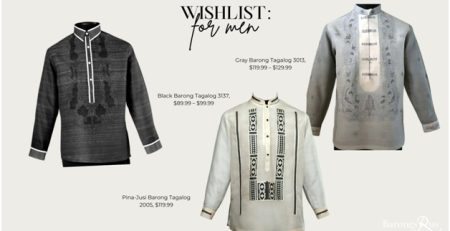
The Barong Tagalog is a traditional Filipino shirt characterized by its delicate embroidery, lightweight fabric, and intricate craftsmanship. Traditionally made from piña (pineapple fiber), jusi (banana silk), or other fine, natural fibers, the Barong is known for its breathability and lightness, making it ideal for the tropical climate of the Philippines.
The intricate embroidery that adorns the Barong typically showcases Filipino artistry, featuring motifs like floral patterns, national symbols, and intricate geometric designs. This level of craftsmanship is a testament to Filipino ingenuity, and it’s one of the key elements that elevate the Barong to a work of art rather than just a garment.
The Shift: From Traditional to Modern
While the Barong Tagalog was once only worn on formal occasions, it has seen a rise in popularity in both local and international fashion circles. Modern iterations of the Barong have become more versatile and wearable in a variety of settings—from casual gatherings to corporate events. This evolution reflects the fusion of traditional craftsmanship with contemporary design sensibilities.
Some of the notable modern updates to the Barong Tagalog include:
- Fabric Innovation: While piña and jusi remain popular choices, modern Barongs also incorporate cotton, linen, and polyester blends to offer greater durability and ease of care. These materials help make the Barong more practical for everyday use while still maintaining its distinct look.
- Slimmer Cuts and Tailoring: Traditional Barongs were often loose and boxy. Today, modern Barongs feature slimmer, more tailored cuts that offer a more flattering fit, catering to a younger, fashion-forward demographic without compromising the shirt’s cultural integrity.
- Minimalist Designs: While traditional Barongs are known for their intricate, hand-embroidered designs, modern versions often adopt more minimalist aesthetics. Subtle embroidery or simpler lines are increasingly common, allowing the Barong to be worn in more casual settings or as part of a contemporary wardrobe.
- Diverse Color Palettes: The traditional Barong was often seen in off-white or cream tones. However, today’s designs experiment with a wider range of colors, from muted pastels to bold hues, making the Barong more accessible to a broader audience and adaptable for various occasions.
- Hybrid Styles: Some designers have introduced hybrid Barongs that incorporate elements of other fashion trends, such as button-down shirts, mandarin collars, or even zip-up styles. These innovations make the Barong more adaptable to modern fashion while staying true to its roots.
Quality Barong Tagalog: What Sets It Apart?
With the influx of modern designs, the quality of the Barong Tagalog has remained paramount. A well-made Barong Tagalog is not just about aesthetics; it’s also about durability, comfort, and craftsmanship. Here are some factors to consider when looking for a high-quality Barong:
- Fabric Selection: The finest Barongs are crafted from natural fibers such as piña or jusi, which are labor-intensive to produce but result in a luxurious finish. These fabrics are delicate but incredibly strong, and they age beautifully over time. The quality of the fabric should be the first thing to examine when selecting a Barong.
- Embroidery: Hand-embroidery remains a hallmark of a quality Barong. Intricate, finely executed embroidery is a sign of superior craftsmanship, as it requires a high level of skill and patience. The threads used should be durable and neatly woven, with the embroidery free of loose ends or uneven stitching.
- Construction and Stitching: A well-constructed Barong Tagalog will have fine stitching throughout, particularly at stress points like the seams, cuffs, and hem. Double-stitched seams are often a sign of a high-quality garment that is designed to last.
- Fit and Cut: Quality Barongs will feature meticulous tailoring. The fit should be both comfortable and flattering, allowing freedom of movement without appearing overly baggy or tight. Look for well-placed darts and seams that emphasize the natural shape of the wearer.
- Attention to Detail: Small elements such as the type of buttons, the finishing of the cuffs, and the design of the collar contribute to the overall quality of the Barong. High-end Barongs often feature mother-of-pearl buttons and neatly finished collars and cuffs.
The Modern Appeal: Wearing the Barong Today
In today’s globalized fashion world, the Barong Tagalog is not only a cultural artifact but also a versatile, stylish garment that can be worn in a variety of settings:
- Casual Wear: The lighter, simpler Barong designs are now worn as casual wear in the Philippines, paired with jeans or chinos for a more relaxed, but still culturally rich look.
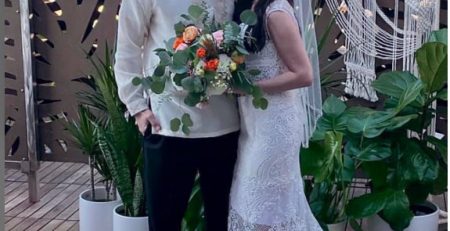
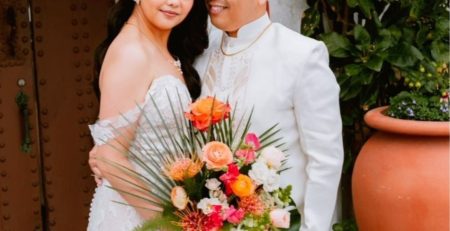
- Weddings and Formal Events: While the Barong remains a staple for weddings, graduations, and other formal events, modern Barong designs make it suitable for a wider range of formal occasions, both in the Philippines and abroad.
- International Recognition: The Barong has garnered attention on the international stage, particularly with Filipinos and non-Filipinos alike seeking a distinctive cultural garment with modern flair. Celebrities, diplomats, and international fashion influencers have embraced the Barong, showcasing its versatility.
Conclusion
The Barong Tagalog has successfully evolved from a traditional garment to a contemporary fashion statement, blending the rich cultural heritage of the Philippines with modern trends and tastes. Whether it’s worn for a wedding, a corporate event, or as part of a day-to-day wardrobe, the Barong remains an iconic symbol of Filipino identity. By embracing both its past and its future, the Barong Tagalog continues to stand the test of time, proving that tradition can seamlessly meet modern style.