What Is The Modern Filipiniana (Filipino Costume) And Where Does It Come From?
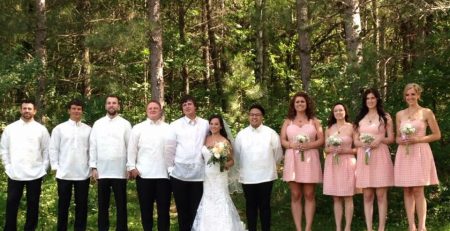
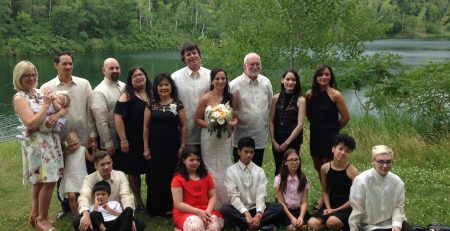
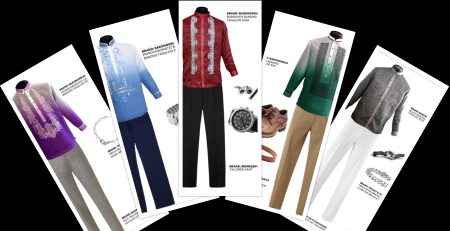
The modern Filipiniana (or modern Filipino costume) is a contemporary take on traditional Filipino clothing, blending elements of Filipino heritage with modern design, materials, and fashion trends. It is often worn for formal events, national celebrations, and cultural occasions, reflecting the country’s rich cultural history while embracing a more globalized aesthetic.

Characteristics of the Modern Filipiniana:
- Contemporary Fabric and Cuts: Modern Filipiniana garments often use both traditional fabrics (like piña and jusi) and more contemporary materials (like cotton, silk, or even synthetic fabrics). The cuts and silhouettes have evolved, allowing for more versatility, comfort, and style while still preserving elements of the traditional designs.
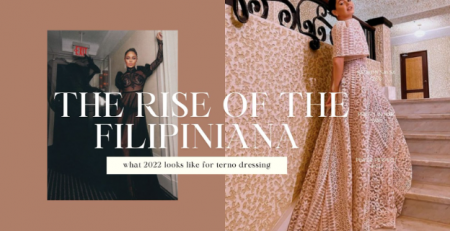
- Fusion of Styles: Modern Filipiniana designs blend traditional elements, such as the iconic butterfly sleeves of the terno, with contemporary fashion trends. Some modern interpretations also include off-shoulder or minimalist designs, merging Western and Filipino aesthetics.
- Simplicity and Elegance: Unlike the heavily embroidered, ornate traditional Filipiniana dresses, modern versions may feature simpler lines and understated elegance, making them more practical for everyday wear while still preserving a connection to Filipino cultural identity.
- Incorporating Local Craftsmanship: While modernizing the silhouette and design, the Filipino craftsmanship, such as intricate embroidery, beadwork, or handwoven textiles, is often still integrated into modern Filipiniana garments, showcasing Filipino artistry.
Origins of the Filipiniana:
The term “Filipiniana” originally referred to the traditional women’s clothing worn during the Spanish colonial period in the Philippines. These garments evolved over centuries and were influenced by both indigenous Filipino attire and Spanish, American, and other foreign influences.
- Pre-Colonial and Early Spanish Influence: Before the Spanish colonization in the 16th century, Filipinos wore garments like baro (blouse) and salungso (skirts) made from local fibers. The introduction of the terno and balintawak dresses during the Spanish era further shaped the Filipino identity in fashion.
- Evolution during the American Colonial Period (1898-1946): During the American colonial period, Western styles began influencing Filipino fashion, but traditional elements like the terno’s butterfly sleeves were retained, symbolizing both local and foreign influences.
The Modern Era:
- In the post-colonial era, Filipino designers began reinterpreting traditional Filipino clothing for modern wear. Fashion designers like Rajo Laurel, Ben Chua, and Francis Libiran are known for modernizing the Filipiniana, incorporating Western design principles while celebrating Filipino heritage. The modern Filipiniana not only serves as a symbol of national pride but also reflects the Philippines’ rich cultural diversity.
Where It Comes From:
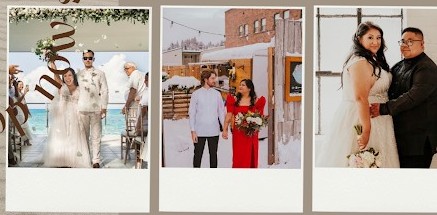
The modern Filipiniana has roots in Filipino history and its colonial influences. However, it’s continually evolving, often inspired by Filipino pride, cultural events, and the desire to showcase Filipino craftsmanship and artistry in the global fashion scene. It’s seen in various settings, from weddings and formal events to national celebrations like Independence Day and National Heroes Day. Modern Filipiniana garments can be found both in local Filipino designers’ collections and international fashion shows where they proudly represent Filipino identity.
In short, the modern Filipiniana is a blend of tradition and modernity, showcasing the enduring beauty of Filipino heritage while adapting to contemporary global fashion.