The Timeless Elegance of the Barong Tagalog
The Timeless Elegance of the Barong Tagalog transcends generations, cultures, and evolving fashion trends. This iconic Filipino garment has long been synonymous with grace, respect, and national pride. Its unique blend of simplicity, refinement, and cultural significance makes the Barong Tagalog a symbol of Filipino heritage that continues to captivate and inspire. Let’s explore how the Barong has maintained its elegance through the years and why it remains a powerful emblem of Filipino identity.
1. A Symbol of National Pride and Cultural Identity
The Barong Tagalog is more than just clothing; it is a profound statement of Filipino identity. Over the centuries, this garment has represented the dignity and honor of the Filipino people, worn during the most important occasions, such as weddings, national holidays, and formal gatherings.
- Roots in Filipino History: Originally worn during the colonial era as a symbol of defiance and distinction, the Barong was a way for Filipinos to assert their identity in the face of colonial rule. The wearing of the Barong was meant to differentiate the indigenous people from the Spanish colonizers, and over time, it became a symbol of cultural resistance and resilience.
- National and Global Symbol: Today, the Barong Tagalog is the national formal wear of the Philippines, recognized worldwide. When worn, it serves as a proud reminder of the country’s history, strength, and cultural pride. It is commonly seen at major events, such as the Philippine Independence Day, Filipino weddings, and state functions.
2. Craftsmanship and Fabric: The Foundation of Elegance
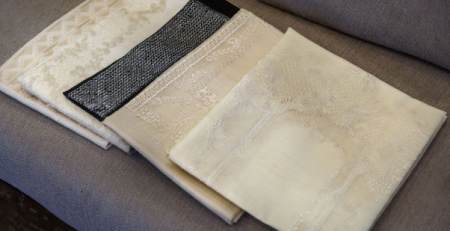
The craftsmanship and the materials used in creating the Barong Tagalog are key to its timeless appeal. Authentic Barongs are made from natural fibers like piña (pineapple fiber) and jusi (banana and silk blend), which contribute to the garment’s luxurious texture and light, breathable quality.
- Piña Fabric: One of the most prized materials for making Barongs, piña is derived from the leaves of the pineapple plant. The process of turning these leaves into fabric is labor-intensive and requires skill. The resulting fabric is translucent, crisp, and finely textured, making it ideal for creating a garment that is both formal and comfortable in the tropical climate of the Philippines.
- Jusi Fabric: Jusi, another traditional fabric, has a softer texture and more subtle sheen than piña, and is often used for Barongs that require a heavier, more durable feel. Both piña and jusi fabrics, however, have a delicate elegance that enhances the overall look and feel of the Barong Tagalog.
- Artisanal Techniques: The careful hand-weaving and embroidery techniques used in crafting the Barong add to its elegance. Each Barong is often embroidered with intricate floral or geometric designs that showcase Filipino artistry. The quality of the craftsmanship, particularly in the hand-embroidery, ensures that each Barong is not only a garment but also a work of art.
3. The Simplicity of the Design
At the heart of the Barong Tagalog’s elegance is its simplicity. Unlike other formal garments that may be complex or ornate, the Barong is defined by its understated beauty. The design is typically minimalist, which allows its fine fabric, meticulous embroidery, and refined tailoring to take center stage.
- Loose-Fitting Silhouette: The Barong has a loose, relaxed fit that drapes gracefully on the body. Its untucked style reflects its laid-back yet formal nature, making it ideal for both casual and ceremonial occasions. The absence of excess structure in the design contributes to the overall sense of ease and fluidity, elevating the wearer’s comfort while maintaining an air of sophistication.
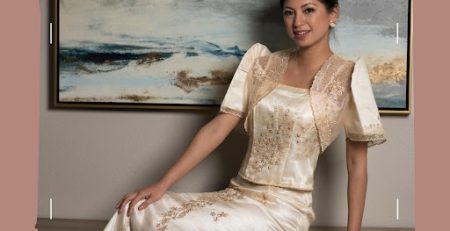
- Delicate Embroidery: The Barong’s embroidery is often subtle yet intricate. Traditional designs, which draw inspiration from nature, such as vines, flowers, and leaves, create an elegant look without overwhelming the garment. These patterns are a key element in maintaining the timeless charm of the Barong Tagalog, offering beauty without unnecessary embellishment.
- Neutral Tones: Traditionally, Barongs come in neutral shades like white, cream, and ivory. These colors convey simplicity, allowing the natural texture of the fabric and the artistry of the embroidery to stand out. The light hues are also appropriate for the tropical climate, making them ideal for both daytime and evening events.
4. Versatility Across Time
Despite its strong historical roots, the Barong Tagalog has proven to be incredibly versatile and adaptable to modern fashion. It’s a piece that works across different occasions, from formal government functions to weddings, cultural events, and even casual gatherings. Over the years, designers have found creative ways to reinvent the Barong, ensuring that it stays relevant in today’s world without losing its essence.
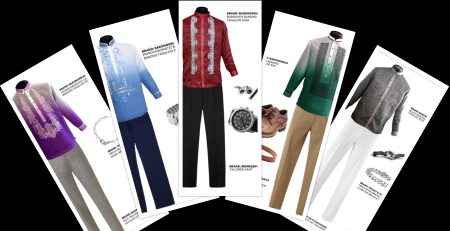
- Modern Interpretations: Contemporary Filipino designers have infused the Barong with new life by incorporating modern cuts, fabrics, and designs. From short-sleeve variations to sleek, tailored fits, modern Barongs appeal to younger generations while still respecting traditional craftsmanship. The adaptation of different fabrics like silk and cotton blends has also made the Barong suitable for various climates and more accessible for daily wear.
- Global Fashion Influence: High-profile figures, including celebrities and politicians, have worn the Barong to international events, bringing global attention to this iconic piece of Filipino fashion. The Barong has even appeared on global runways, showing that traditional garments can coexist with modern fashion trends.
5. Cultural Significance in the Modern World
As society evolves, the Barong Tagalog remains a cultural touchstone, serving as a link between past and present. Its role in Filipino weddings, state functions, and national celebrations continues to be a vital part of Filipino life, whether in the Philippines or among the diaspora.
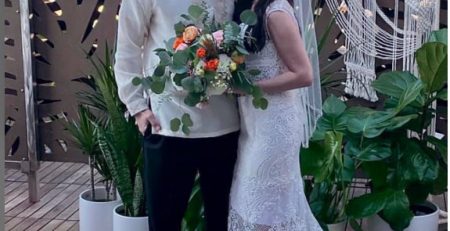
- Weddings and Celebrations: The Barong is often worn by grooms and male family members at Filipino weddings, where it is viewed as a symbol of dignity and respect. The Barong Tagalog is also a common choice for celebratory occasions such as fiestas, anniversaries, and other milestone events, making it a garment that carries emotional and cultural weight.
- A Bridge Between Generations: For many Filipino families, the Barong is an heirloom passed down from one generation to the next. It represents not only the pride of the wearer but also a connection to Filipino heritage and history. Wearing a Barong can be a deeply personal experience, allowing the wearer to honor their ancestors while embracing the future.
6. The Enduring Appeal: A Global Fashion Icon
In today’s world, the Barong Tagalog is no longer confined to Filipino events. It has become a symbol of cultural pride on the global stage. As a representation of Filipino artistry and craftsmanship, the Barong is gaining recognition outside the Philippines as a timeless, elegant garment that blends tradition with modernity.
- International Recognition: Whether worn by Filipino dignitaries at state visits or on the international fashion runway, the Barong continues to be an emblem of sophistication and grace. Celebrities and influential figures around the world have worn the Barong to highlight Filipino culture and showcase its timeless elegance.
The Timeless Elegance of the Barong Tagalog reflects not just a garment, but an enduring connection to Filipino heritage and values. From its meticulous craftsmanship to its understated beauty, the Barong Tagalog stands as a testament to the rich cultural traditions of the Philippines. Its elegance, versatility, and cultural significance ensure that it will remain a beloved symbol of Filipino pride for generations to come.