The rich tapestry of Philippine marriage culture reflects the country’s diverse history, traditions, and social values
The rich tapestry of Philippine marriage culture reflects the country’s diverse history, traditions, and social values. Here’s a glimpse into how these elements come together:

Traditional Practices
- Panliligaw (Courtship): Traditionally, courtship is a formal and extended process. A suitor, often called “manliligaw,” would perform a series of rituals to win the approval of the prospective bride’s family. This could include serenades (harana), delivering gifts, and spending time with the family to demonstrate sincere intentions.
- Pamanhikan: This is a formal visit by the groom’s family to the bride’s family to seek permission for the marriage. It’s a crucial step in the engagement process where both families discuss the wedding details, dowry, and other important matters.
- Dowry (Lagay or Dote): While less common in urban areas today, some rural communities still practice the tradition of dowry, where the groom’s family provides gifts or money to the bride’s family as a form of respect and gratitude.

Wedding Ceremonies
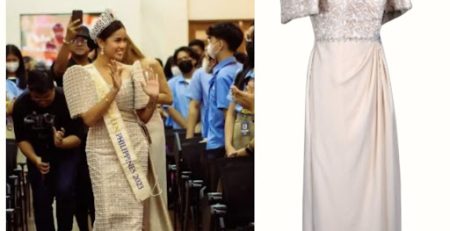
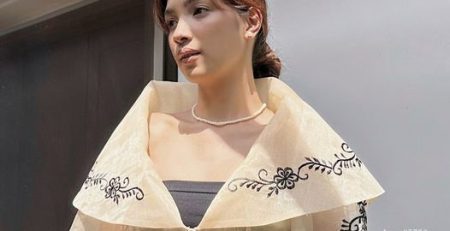
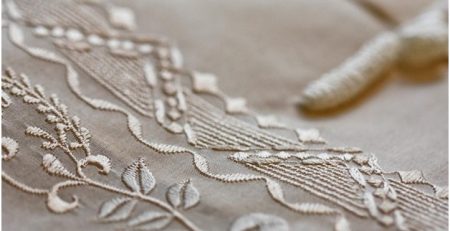
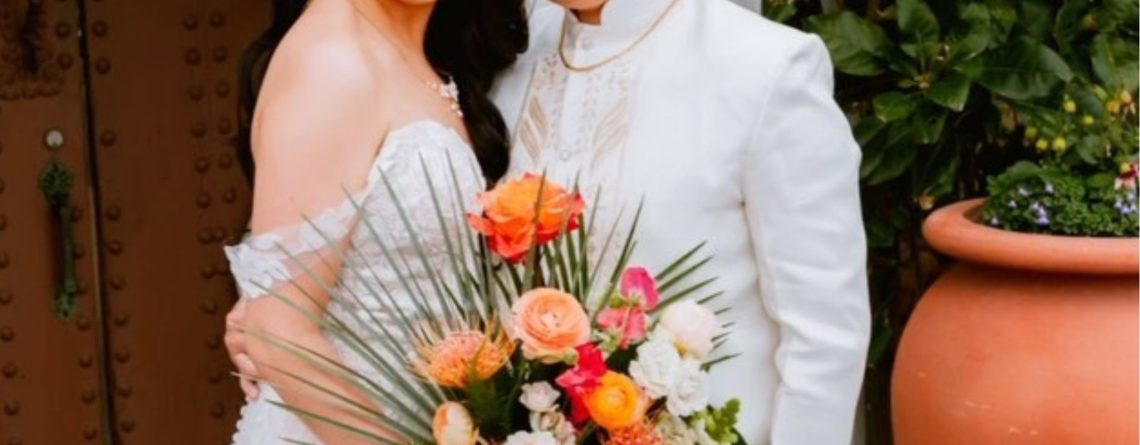
- Traditional Attire: Traditional Filipino wedding attire includes the “Barong Tagalog” for the groom and “Baro’t Saya” or “Terno” for the bride. The Barong Tagalog is a formal shirt often embroidered and worn untucked, while the Terno is characterized by its butterfly sleeves and intricate embroidery.
- Ceremonial Rites: The traditional wedding ceremony can include rituals such as the “unity candle” or “veil and cord” ceremonies. The veil symbolizes the union of the couple, while the cord represents their bond and commitment.
- Reception and Feasting: Filipino weddings are known for their vibrant receptions that feature an abundance of food, music, and dancing. Guests are often treated to a lavish feast with a variety of traditional Filipino dishes.
Regional Variations
- Visayan Customs: In the Visayas region, wedding customs may include rituals like the “panglaba” (washing of hands) where the bride and groom’s hands are washed by elders to bless their union.
- Tagalog Practices: In Tagalog-speaking regions, the “salubong” tradition might be observed, where the bride is greeted by the groom’s family with a ceremonial welcome before the wedding ceremony begins.
- Mindanao Traditions: In Mindanao, particularly among Muslim communities, weddings may involve more elaborate ceremonies with distinct rituals, including the “akad” (marriage contract signing) and the “reception” that can last several days.
Modern Influences
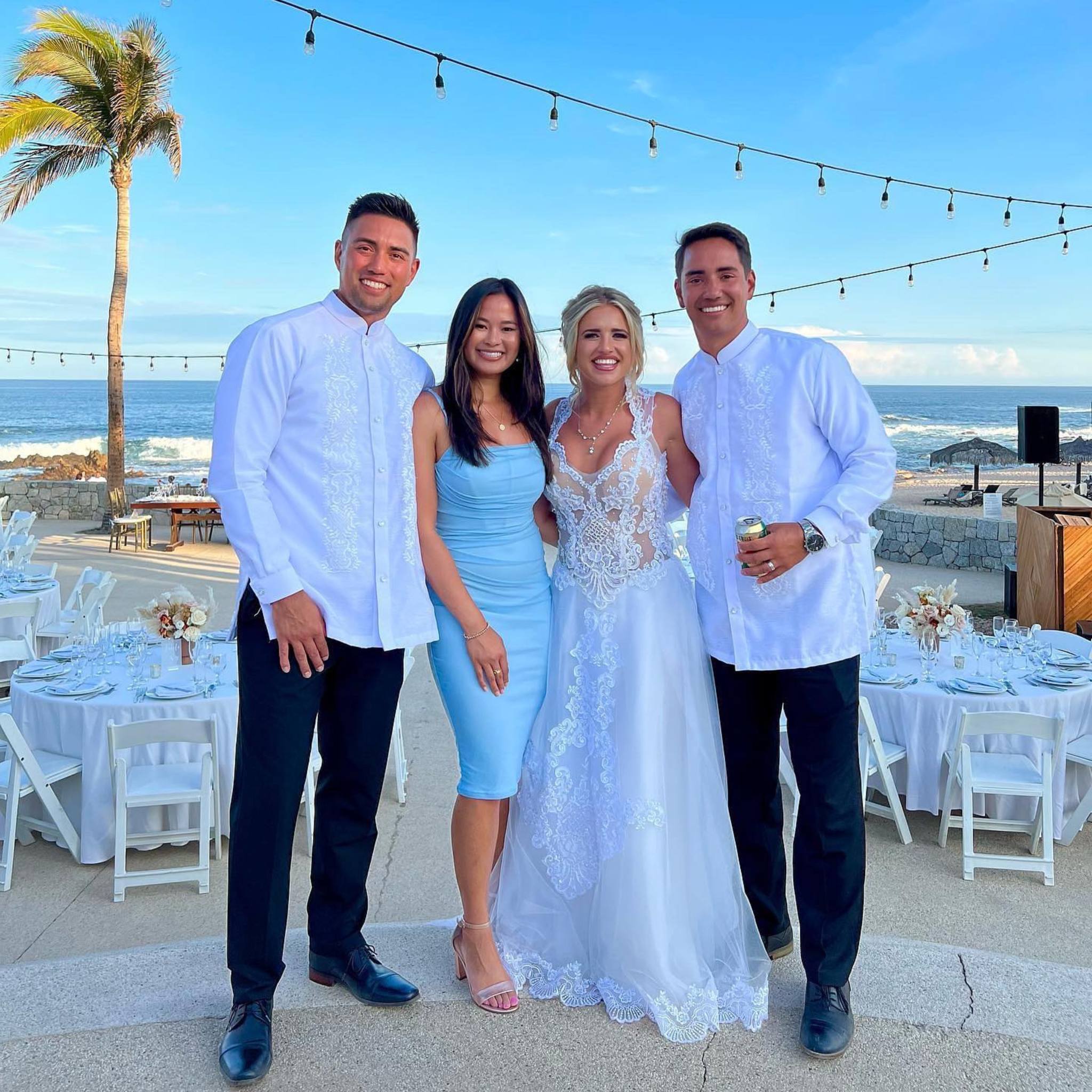
In contemporary times, many couples blend traditional and modern elements. While some still adhere to traditional practices, others incorporate Western influences such as white wedding gowns, modern venues, and contemporary wedding themes.
Social Significance
Marriage in the Philippines is not just a union of two individuals but is seen as a bond between two families. It’s a community affair where extended family and friends play a significant role. The celebration reflects the collective values of family, respect, and unity that are central to Filipino culture.
Overall, Philippine marriage culture is a vibrant and multifaceted reflection of the country’s rich heritage and evolving social landscape.