19Aug

A Guide to the Colored Barong Tagalog and Its Cultural Traditions
The barong Tagalog is a traditional Filipino garment with deep cultural significance, and its colorful variants add a vibrant twist to this iconic attire. Here’s a look into the significance and evolution of the colored barong Tagalog:
Historical Context
- Origins: The barong Tagalog dates back to the 16th century during the Spanish colonial period. Originally, it was worn by Filipino men as a symbol of their social status and was often made from natural fibers such as piña (pineapple fiber) or jusi (a type of silk).
- Evolution: Over time, the barong evolved from being a symbol of status and formality to becoming a staple of Filipino identity. The traditional version is usually in neutral colors like white or cream, symbolizing purity and simplicity.
The Colored Barong Tagalog
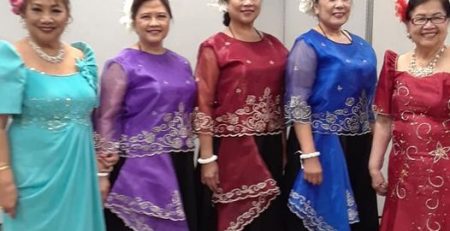
- Modern Twist: In recent years, the barong Tagalog has embraced a variety of colors and patterns, reflecting modern fashion trends and personal expression. These colored versions maintain the traditional elements while incorporating vibrant hues and intricate designs.
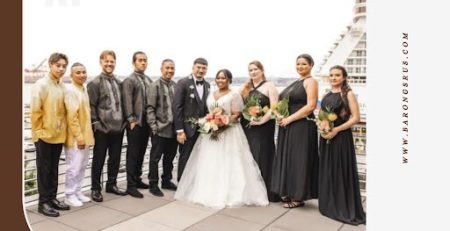
- Cultural Significance: Colored barongs are often worn for festive occasions, such as weddings, cultural events, and celebrations. They represent a fusion of tradition and contemporary style, making the garment more accessible and appealing to younger generations.
Design and Fabric
- Materials: While traditional barongs are made from lightweight, natural fibers, colored barongs may use a range of materials including synthetic fabrics that hold color better and are easier to maintain.
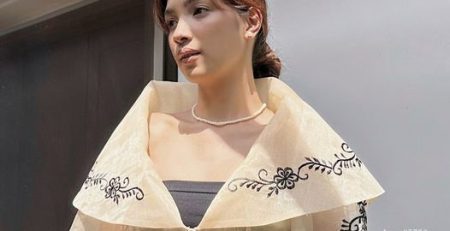
- Patterns and Colors: The designs can vary from subtle pastels to bold, vivid shades, often featuring embroidery or patterns that highlight Filipino artistry. These designs can include intricate floral motifs, geometric patterns, or even modern abstract art.
Cultural Impact
- Symbol of Identity: The barong Tagalog, regardless of color, remains a powerful symbol of Filipino heritage and pride. It represents a blend of historical legacy and modern identity, embodying the nation’s adaptability and creativity.
- Fashion and Media: The popularity of the colored barong has grown in both local and international fashion scenes. It appears in various media, fashion shows, and cultural representations, showcasing Filipino craftsmanship to a global audience.
In essence, the colored barong Tagalog is a testament to the dynamic nature of Filipino culture, blending traditional elements with contemporary flair. It serves as a vibrant expression of national pride and personal style, celebrating both the past and the present.