Exploring the Cultural Significance: Unraveling the Origin Stories of the Barong Tagalog
The Barong Tagalog is one of the most iconic garments in Philippine culture, widely recognized as a symbol of elegance, tradition, and Filipino identity. Its origins, however, are deeply intertwined with the country’s complex history, including influences from pre-colonial, Spanish colonial, and modern Filipino society. To fully appreciate its cultural significance, it’s essential to explore the origin stories and historical evolution of the Barong Tagalog.

Pre-Colonial and Early Filipino Clothing
Before Spanish colonization, the early inhabitants of the Philippine archipelago wore garments made from indigenous materials such as pineapple fibers (piña), abaca (hemp), and silk. These materials were often woven by hand, creating fabrics that were breathable and suited to the tropical climate.
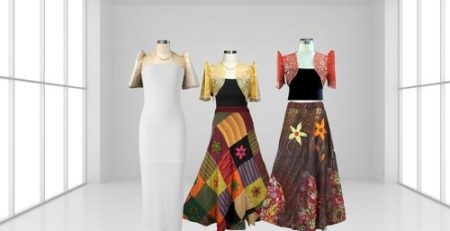
The Barong Tagalog itself, in its earliest forms, was not yet established as the garment we know today. However, Filipinos had a long tradition of wearing loose, breathable clothing, often in the form of camisa (shirts) and baro (blouses) made from local materials. The use of natural fibers was important both for comfort and for the symbolic value of local craftsmanship.
Spanish Colonial Era (1565–1898)
The formal origins of the Barong Tagalog can be traced back to the Spanish colonial period, which began in 1565 and lasted for over 300 years. During this time, the Spanish introduced various European influences into Filipino culture, including styles of dress. The Philippines became a melting pot of indigenous, Spanish, and later Chinese influences.
The most significant change in Filipino clothing during the Spanish era was the introduction of the “barong” or “baro” (a term which referred to a type of loose-fitting shirt). The Barong Tagalog evolved from this Spanish influence but incorporated Filipino cultural elements, particularly in the way it was worn and its materials.
Under Spanish rule, the use of the Barong Tagalog became heavily regulated as part of a system of class differentiation. Filipino men, especially those from the lower classes, were required to wear the Barong as a sign of subjugation, which differentiated them from the Spanish elite. The Spanish colonizers enforced dress codes to reinforce their dominance, with certain clothing styles designated for the native population and others for the Spanish and mestizo (mixed-race) elite.
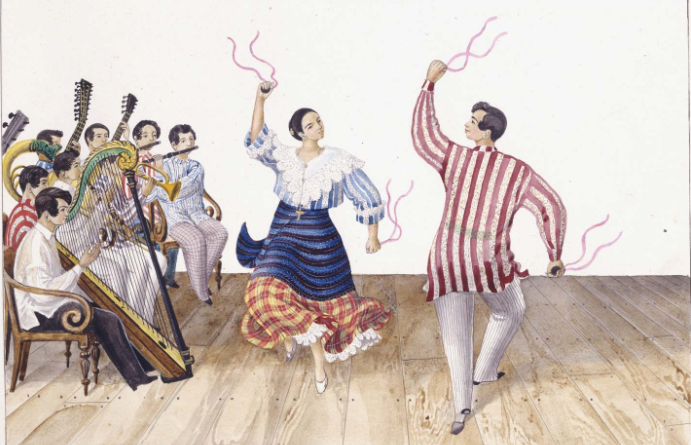
The Barong Tagalog was traditionally worn over the “saya” (a type of traditional pants or trousers) by Filipino men. It was initially made from hemp, silk, or cotton, and was often adorned with embroidery or lace, reflecting the Spanish penchant for decorative clothing.
Evolution into the Iconic Garment (19th Century)
By the 19th century, Filipino men began to embrace more sophisticated versions of the Barong Tagalog, often incorporating elements of local weaving and embroidery. Wealthier Filipinos, particularly the Ilustrados (educated elite), started to wear the Barong Tagalog as a mark of cultural identity and social standing.
The fabric also evolved during this time, with piña (pineapple fiber) becoming one of the most prized materials for the Barong Tagalog. This fabric was not only lightweight but also durable, making it ideal for tropical climates. It became a symbol of status and refinement due to its rarity and the intricate craftsmanship involved in weaving it.
Nationalist Movements and the Barong Tagalog
During the late 19th century, as nationalist movements gained momentum under the leadership of figures like José Rizal and Andres Bonifacio, the Barong Tagalog came to symbolize Filipino resistance against Spanish colonialism. The revolutionary heroes wore it to assert their national identity and to reject the Spanish imposed dress codes that sought to erase Filipino cultural traditions.
The Barong Tagalog gradually shed its association with subjugation and became a symbol of Filipino pride, especially during the Philippine Revolution (1896-1898) and the subsequent fight for independence. Nationalist leaders and the educated elite of the time began to wear the Barong Tagalog in an effort to unite Filipinos under a common cultural heritage.
The American Colonial Period (1898–1946)
The Barong Tagalog continued to evolve during the American colonial period, although its cultural significance was somewhat altered. Under American rule, Western clothing, particularly suits and ties, became the norm for formal occasions. However, the Barong Tagalog persisted as a symbol of Filipino identity and was often worn during national holidays, official events, and even during daily life in rural areas.
During this time, the Barong Tagalog was further refined, with an emphasis on intricate embroidery, and the fabric became lighter and more comfortable. The piña fabric gained further recognition, as the Philippines began to export its fine textiles to the international market. The garment became synonymous with Filipino culture, even while other Westernized fashion trends were taking hold.
The Post-War and Contemporary Era
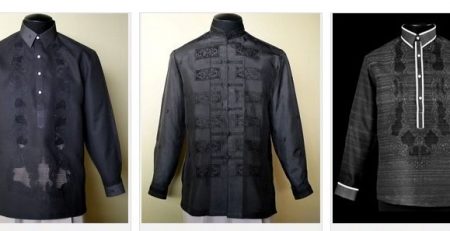
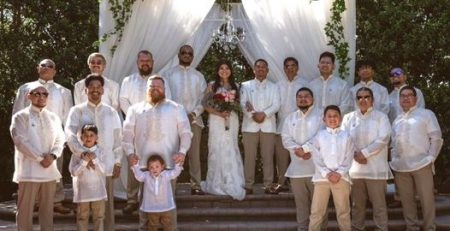
After World War II, the Barong Tagalog underwent a modern transformation. While it remained a staple for formal events such as weddings, state functions, and government meetings, it began to be adapted for everyday use. The Barong Tagalog of today is often made from more modern materials such as organza, rayon, or cotton, which are easier to care for and more affordable than traditional piña fabric.
In contemporary Philippines, the Barong Tagalog is worn at both formal and informal events, such as weddings, presidential inaugurations, and other significant national events. It has been embraced not only for its cultural significance but also for its practicality in the tropical climate. The Barong Tagalog is often seen as the Filipino version of a suit, a unique garment that combines both formality and comfort.
Cultural Significance Today
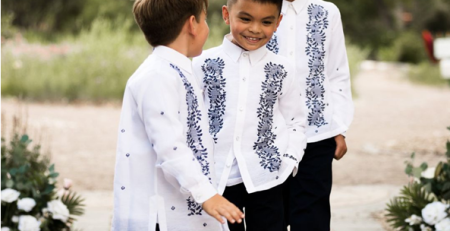
The Barong Tagalog holds a central place in Filipino identity. It represents a connection to the country’s history, from its indigenous roots to its colonial past and modern-day identity as a sovereign nation. Today, the Barong Tagalog is a symbol of Filipino nationalism, pride, and unity. It is also an emblem of respect for Filipino heritage and craftsmanship, particularly through the intricate hand-embroidered designs that have become one of its most distinguishing features.
The Barong is not merely a piece of clothing; it is a marker of social status, a symbol of Filipino pride, and a declaration of cultural resilience. It serves as a unifying garment for both the elite and the working-class, transcending class divisions and standing as a reminder of the nation’s rich cultural heritage and struggles for independence.
Conclusion
The Barong Tagalog is a garment that carries with it centuries of history, representing a fusion of indigenous Filipino practices and foreign influences. Its evolution from a symbol of colonial subjugation to a powerful expression of national identity reflects the broader history of the Philippines. Today, the Barong Tagalog remains a cherished and revered symbol of Filipino culture and resilience, encapsulating the spirit of the Filipino people through its craftsmanship, history, and enduring significance.